Insurance retailers discussing used auto dealer insurance with dealership and garage clients can add value well before a loss occurs. Everyday operational controls around vehicle keys, service bays, lifts, hazardous materials, and customer access can help address conditions that lead to property damage, theft, injuries, and liability claims. The following 10 loss-control priorities give agents a starting point for those conversations.
Why Loss Control Matters for Used Auto Dealer Insurance
Auto dealers and garage operations can experience losses from several directions at once. A single location may include customer vehicles, dealer inventory, service bays, vehicle lifts, battery charging equipment, flammable materials, and areas where employees and customers move throughout the day. The internal Aegis loss-control training identifies fire, theft, employee injury, and customer injury as key loss drivers, with newer exposures emerging from electric vehicles (EVs), advanced driver-assistance systems, cyber risks, and pollution concerns.
For insurance retailers, loss control provides a way to evaluate how well a client manages those exposures before they turn into claims. A dealer may have appropriate used auto dealer insurance, but unsecured keys, poor housekeeping, inadequate lift procedures, or uncontrolled customer access can still increase the likelihood or severity of a loss. Reviewing those operational controls gives agents a stronger basis for discussing risk with clients and identifying areas that may need attention.
Control Fire, Housekeeping, and Hazardous-Material Exposures
Service areas concentrate several conditions that can increase the severity of a loss, including heat sources, electrical equipment, chemicals, waste materials, and ongoing repair work. Clear procedures for maintaining and monitoring those areas can help reduce avoidable property damage and operational disruption.
1. Strengthen Fire and Housekeeping Controls
Keep service bays orderly, remove combustible waste, maintain clearance around ignition sources, and use appropriate containers for oily rags and other flammable materials. A service-bay fire can turn a small housekeeping lapse into extensive property damage.
2. Manage Hazardous Materials
Establish procedures for labeling, storing, handling, and disposing of shop materials. The Environmental Protection Agency outlines federal management standards for businesses that handle used oil and notes that state requirements may be stricter.
3. Maintain an Emergency Response Plan
Document procedures for fires, spills, severe weather, evacuations, and other foreseeable emergencies. Employees should understand their responsibilities before an event occurs.
Strengthen Security and Customer-Area Controls
Dealerships also need controls that account for constant movement across lots, showrooms, and service areas. Vehicles, keys, employees, vendors, and customers may all pass through the same property, making access management and physical security important parts of loss prevention.
4. Tighten Key and Perimeter Security
Use controlled key storage, restrict access, and establish accountability for who can retrieve vehicle keys. Well-placed cameras, lighting, and perimeter controls can further strengthen lot security.
5. Inspect Lighting, Cameras, and Lot Conditions
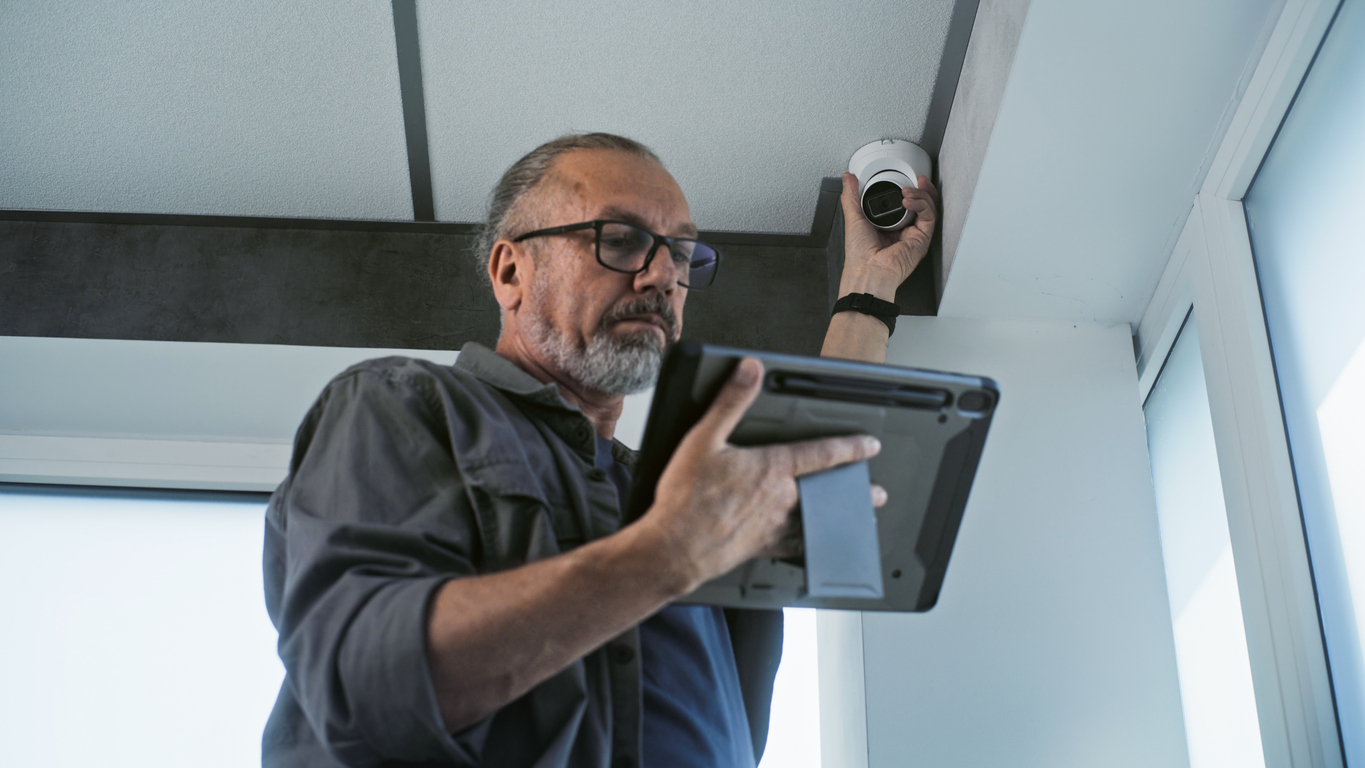
Check whether surveillance covers important areas. Identify and address any preventable hazards in parking lots and along walking surfaces.
6. Restrict Customer Access
Keep customers out of active service bays and other areas with moving vehicles, equipment, wet floors, or repair activity. Escort policies and clear signage can reinforce those boundaries.
Protect Employees Working Around Vehicles and Equipment
Many garage exposures come directly from the work being performed. Vehicle lifts, moving cars, electrical systems, and specialized equipment require consistent procedures and employee training, especially as newer vehicle technologies introduce hazards that may not have been part of traditional shop operations.
7. Prioritize Employee Safety and Qualifications
Give employees training appropriate to their duties. Reinforce safe procedures for equipment, vehicle movement, and shop operations.
8. Inspect and Maintain Vehicle Lifts
Establish documented inspection and maintenance procedures, and train employees on safe lift operation. The Occupational Safety and Health Administration (OSHA) states that while OSHA does not have a standard specifically for automotive lift users, employers still must protect workers from recognized hazards that could cause death or serious physical harm.
9. Address EV and High-Voltage Exposures
As electric and hybrid vehicles enter service departments, make sure technicians receive training appropriate to the electrical hazards involved. Confirm that the procedures address charging and battery-related work, and update them as needed.
10. Encourage Near-Miss Reporting
Ask employees to report close calls, unsafe conditions, and recurring problems. Reviewing those reports can reveal opportunities to correct hazards before someone gets hurt or property gets damaged.
Turn Loss Control Into a Better Risk Conversation
Loss control requires ongoing attention as dealership operations, employees, equipment, and vehicle technology change. Insurance retailers can use these 10 priorities as talking points when reviewing an auto dealer insurance account and helping clients think more deliberately about preventable losses.
Aegis Specialty Dealer Division works with retail agencies and wholesalers serving dealership, garage, and service-center risks, with industry-specific underwriting support and a range of available coverage options. Get in touch with us to discuss solutions for your auto dealer and garage clients.
About Aegis General Insurance Agency
Aegis General Insurance Agency — Specialty Dealer Division strives to create a leading underwriting and distribution franchise in the program insurance market. We’ve bridged the gap between agents and client payments with our efficient ACH payment system. Partnering with us gives agents the advantage of ACH payment capability, allowing for direct billing through the firm. Call us today at (866) 429-1638 to find out how you could partner with K2 to offer top-tier insurance coverages and modern features to your clients.