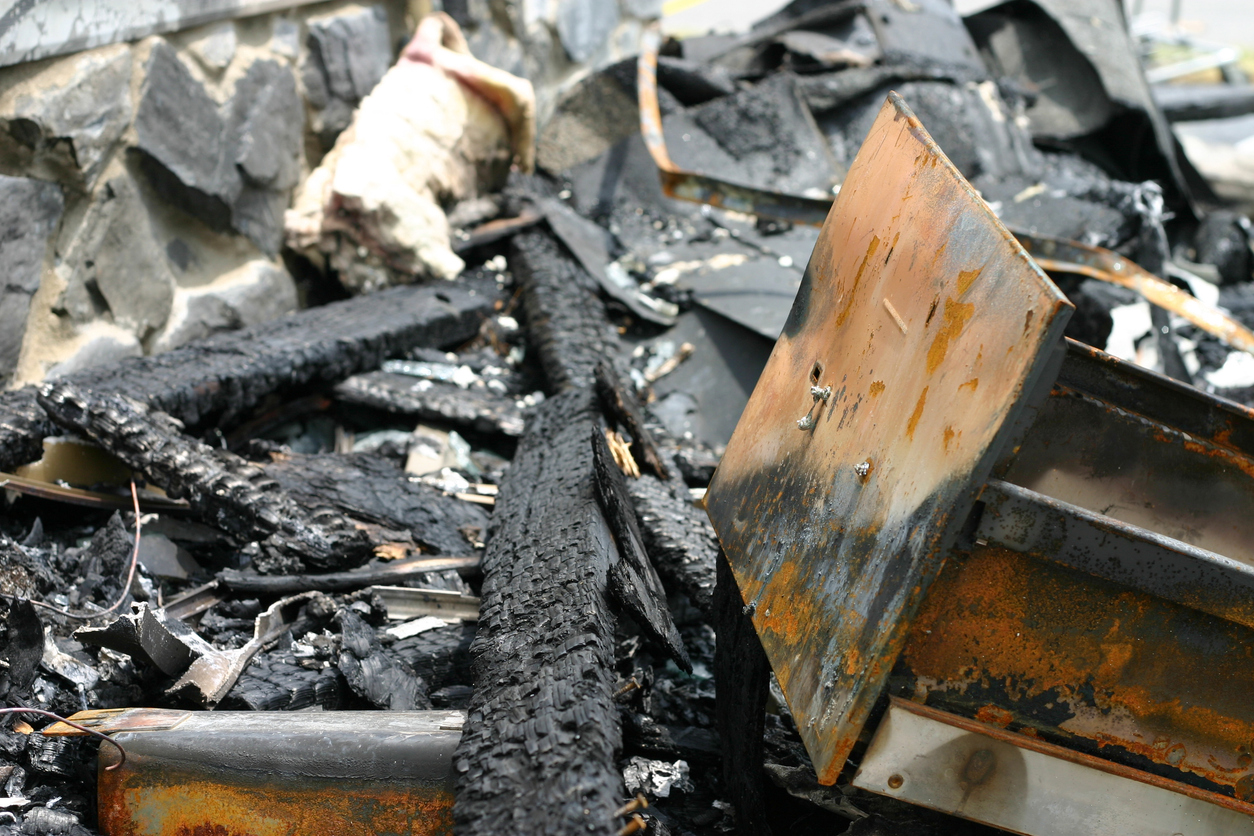
Fire remains one of the most expensive and disruptive risks facing dealership and garage operations. A single incident can damage high-value inventory, shut down service departments, and interrupt revenue for weeks or longer.
For insurance retailers, helping clients understand both prevention and protection is critical. Positioning used auto dealer insurance as part of an overall risk-management strategy allows dealers to recover financially while reducing exposure on the front end.
Fire Risks in Dealership and Garage Operations
Electrical failures, improper handling of flammable materials, and vehicle-related mechanical issues drive a large share of dealership fires. Vehicles themselves can introduce ignition risks when underlying electrical, fuel, or overheating problems are present.
Service areas rely on lighting systems, diagnostic equipment, and battery chargers, all of which can create ignition points if wiring is damaged or systems are overloaded. At the same time, gasoline, oil, brake fluid, and cleaning solvents create a constant fire hazard.
Repair work increases the exposure. Welding, grinding, and other hot-work activities can produce sparks in environments where vapors or combustible materials are nearby. Tires, upholstery, and packaging materials add another layer of risk, especially when stored in bulk.
Dealership layouts also contribute to how fires develop. Vehicles parked in tight rows leave limited space to contain flames once they start. This combination of electrical equipment, flammable liquids, combustible materials, and densely packed inventory explains why even a small ignition can escalate quickly.
Vehicle-Related Fire Risks in Service Bays
Vehicles brought in for service introduce significant fire hazards, particularly when they arrive with unresolved mechanical or electrical issues. Common ignition sources include:
- Electrical system failures: These are the most common causes. Faulty wiring, short circuits, worn insulation, and overloaded circuits can arc and ignite surrounding materials. Aftermarket electronics installed improperly are a frequent culprit.
- Fuel system leaks: Gasoline or diesel leaking onto hot engine components or an exhaust system can ignite quickly. Cracked fuel lines, a loose fuel injector, or a damaged fuel tank are typical sources.
- Oil/fluid leaks: Engine oil, transmission fluid, or power steering fluid dripping onto a hot exhaust manifold (which can reach 1,000°F+) is a classic ignition scenario. This is especially common in older, high-mileage vehicles.
- Catalytic converter overheating: The catalytic converter runs extremely hot. If it’s malfunctioning (e.g., from a rich fuel mixture) or if the car is parked over dry grass or leaves, it can ignite material beneath the vehicle.
- Engine overheating: A severely overheated engine can cause fluids to boil over and contact ignition sources, or in extreme cases, ignite surrounding components directly.
- Hybrid/EV battery thermal runaway: In electric and hybrid vehicles, a damaged or defective lithium-ion battery pack can enter thermal runaway — a self-sustaining chemical reaction that generates intense heat and is extremely difficult to extinguish.
Service teams should assume that incoming vehicles may carry one or more of these risks, particularly when repairs involve fuel systems, electrical components, or overheating concerns.
How Can Dealers Reduce Fire Risk and Protect Their Operations?
Reducing fire risk starts with tightening everyday practices. Key controls include:
- Storing flammable liquids in approved containers and designated areas
- Inspecting electrical systems regularly to catch wear and overload issues
- Enforcing procedures for welding, cutting, and other hot work
- Training employees to recognize hazards and respond quickly
- Installing and maintaining fire suppression systems
- Implementing intake inspections to identify leaking fluids, electrical faults, or overheating risks before vehicles enter service bays
- Designating safe holding areas for vehicles with known fuel, electrical, or battery hazards
- Training technicians on hybrid and EV battery fire response protocols
Documented safety protocols and routine audits help reinforce these practices. They also provide a clear record of risk-management efforts, which can support more favorable coverage terms.
Even with strong controls, dealerships cannot eliminate exposure, making proper coverage essential. Auto dealer insurance tailored for dealership operations can cover property damage, inventory loss, and business interruption, helping clients recover after a fire.
Questions About Fire Risks in Auto Dealerships
What is the leading cause of auto dealer garage fires?
Electrical issues, flammable materials, and vehicle-related failures — such as fuel leaks or overheating components — are at the center of dealership fire exposures.
Why do fires spread so quickly in dealerships?
Dealership environments naturally bring together combustible materials and closely parked vehicle inventory. When a fire starts, these conditions can allow it to move quickly through service and storage areas, especially if it is not contained early.
Which areas of a dealership should be monitored most closely?
Service bays, storage areas, and any space where flammable liquids or electrical equipment are used require the most attention. These areas combine the key conditions that increase fire risk.
Does insurance cover fire damage at dealerships?
Auto dealer insurance policies can cover property damage, inventory losses, and business interruption. Coverage depends on how the policy is structured, which is why aligning risk controls with the right insurance program matters.
How can agents help their clients obtain the right auto and used auto dealer insurance?
Start by understanding how each dealership operates, including service offerings, inventory levels, and facility layout. These factors influence both fire exposure and coverage needs. From there, identify gaps in existing policies, align coverage with real-world risks like fire-related losses, and connect clients with specialized auto dealer programs.
Combining Prevention and Coverage for Stronger Protection
Fire hazards are inherent to dealership operations. However, dealerships can manage the risks with the right preventive steps. Strong day-to-day controls reduce the likelihood of fires, while the right coverage ensures that an incident does not become a long-term setback.
When those pieces are in place, dealerships are in a much better position to keep moving, even when something goes wrong. For agencies looking to better support their dealership clients, it’s worth taking a closer look at what comprehensive coverage can do. Get in touch with Aegis General Insurance Agency to start the conversation.
About Aegis General Insurance Agency
Aegis General Insurance Agency — Specialty Dealer Division strives to create a leading underwriting and distribution franchise in the program insurance market. We’ve bridged the gap between agents and client payments with our efficient ACH payment system. Partnering with us gives agents the advantage of ACH payment capability, allowing for direct billing through the firm. Call us today at (866) 429-1638 to find out how you could partner with K2 to offer top-tier insurance coverages and modern features to your clients.